Just a hug.
Above: Basic HTML5 Video with Poster Image
The final outcome of our animation project.
Dorset Mind animation page: Just a hug.
An animated campaign sequence for Dorset Mind addressing loneliness in young children.
This project centers on the theme of loneliness, a universal issue many of us have faced. The brief required us to create an animation addressing loneliness. We had to consider its purpose and the target audience, which guided the development of our work.
We began by researching the dangers of loneliness and the age groups most affected. Initially, we targeted children aged 5-7, but after further research, we expanded the range to 5-10 years.
Audience Research

To align with our audience, we partnered with Dorset Mind, a charity dedicated to addressing mental health issues like loneliness. They also provide support for young children within our target age range.
Dorset Mind's school visits, aimed at educating younger children about mental health, made them an ideal partner for this project.
Our animation is designed to be used during school visits, helping raise awareness of where children can seek support for mental health challenges.
Fairy concept
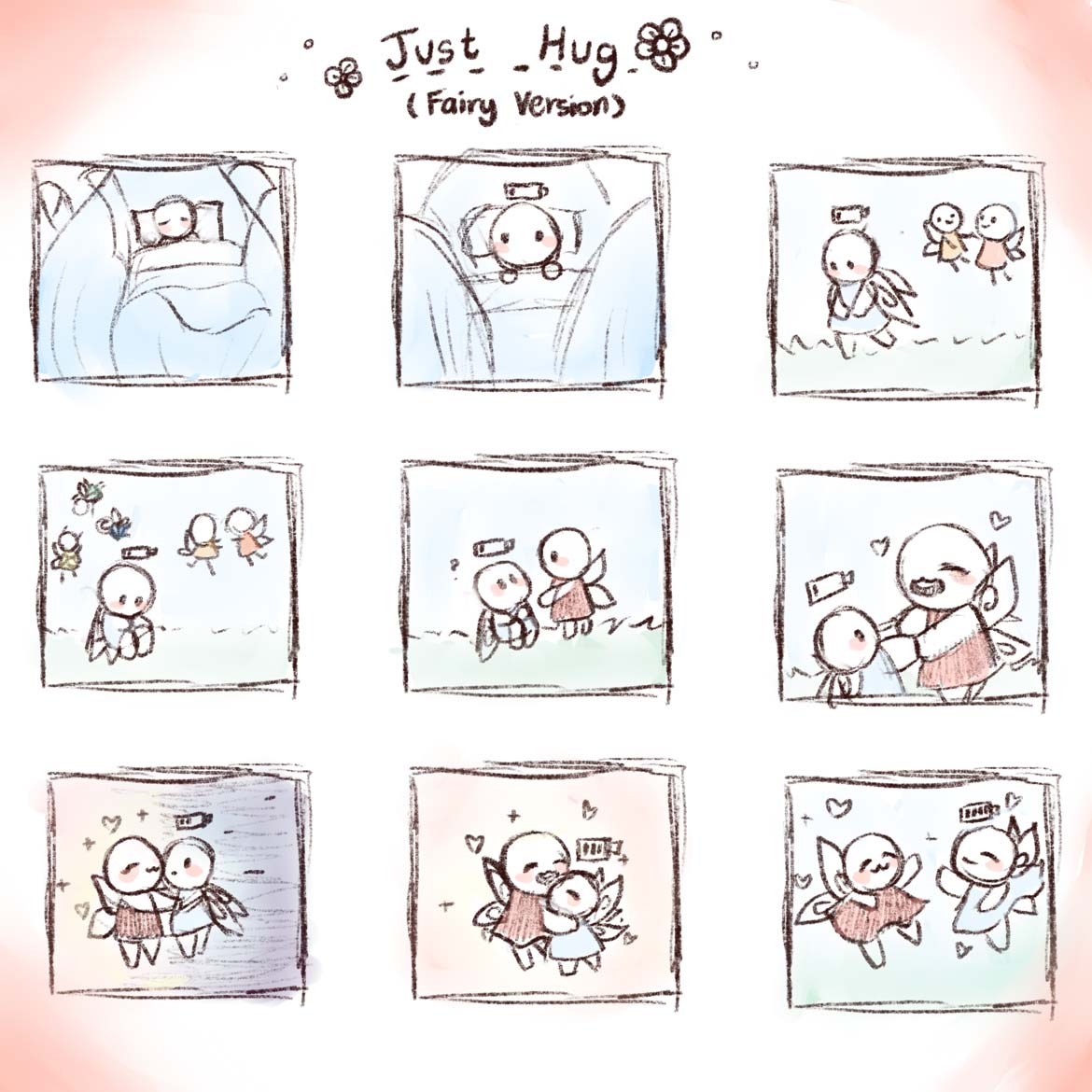
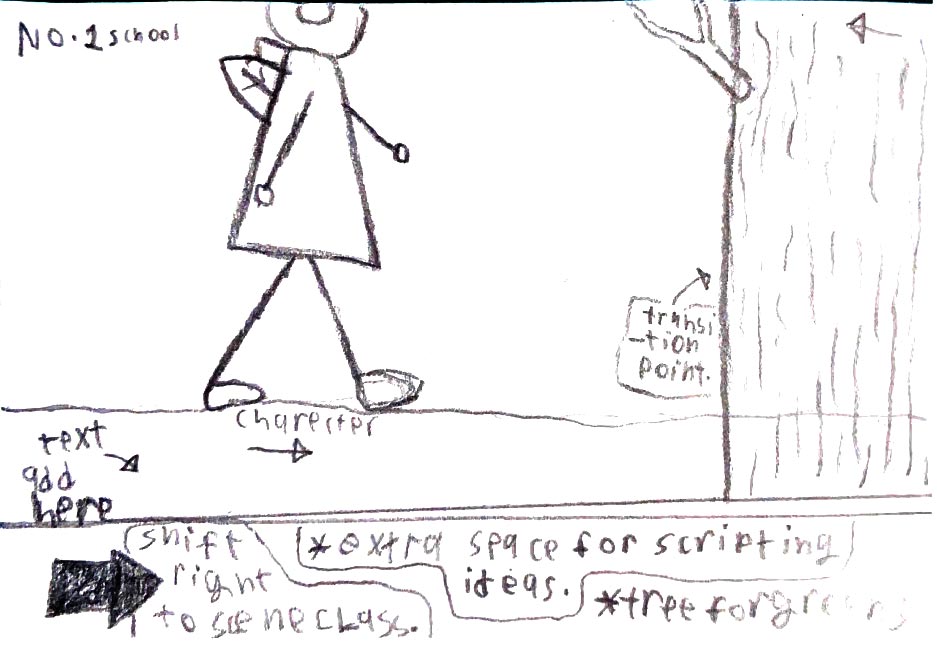
The Fairy storyboard, as shown in the image to the left, begins with the main character feeling isolated from others. Over time, they are noticed and offered friendship, forming the core narrative of our story.
The intended outcome of this friendship-driven narrative is to highlight the positive impact of a hug as a comforting and supportive gesture. Hugs trigger the release of oxytocin, a hormone known to reduce stress and improve mental well-being, reinforcing the message that small acts of kindness can make a meaningful difference.
Challenges
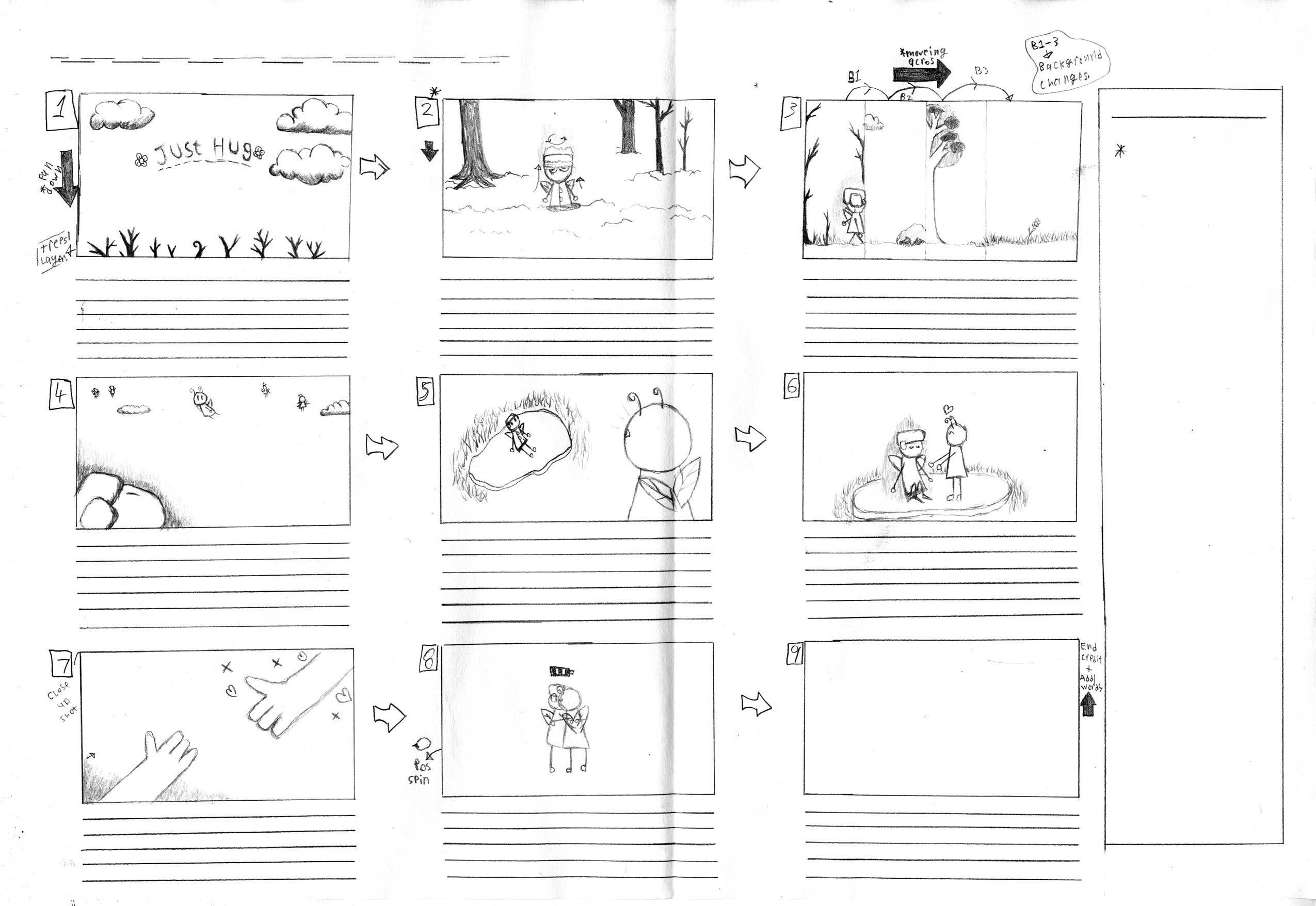
As a group, Emily, Cream, and I collaborated to develop several story ideas for an animation based on our research. After exploring different concepts, we selected one, which we called the Fairy Version of our Just a Hug story, and refined it further.
However, we soon realized that the Fairy Version lacked a clear narrative and did not connect well with our target audience.
After seeking feedback, we decided to take a step back and revise our idea and storyboards. Ultimately, the new story I developed was chosen by the group. Since Emily and Cream had stronger artistic skills, I primarily focused on creating props and editing/animating our scenes. This division of tasks allowed us to work more efficiently within our limited time frame.

When selecting a charity or organization to align our animation with, we found Dorset Mind to be the most suitable choice. Dorset Mind addresses the impact of loneliness by promoting social interaction and connection as a means of improving mental health.
The organization provides call and contact services, offering advice and support to help individuals recognize loneliness and take steps to overcome it.
As Dorset Mind states:
"If you've felt lonely for a long time, it might feel overwhelming to start opening up to people. Trying to meet new people may also worry you. But you don't need to rush into anything."
Their guidance focuses on mental health awareness and encouraging those in need to reach out. By fostering social connections, Dorset Mind aims to support individuals struggling with loneliness and isolation.
New story
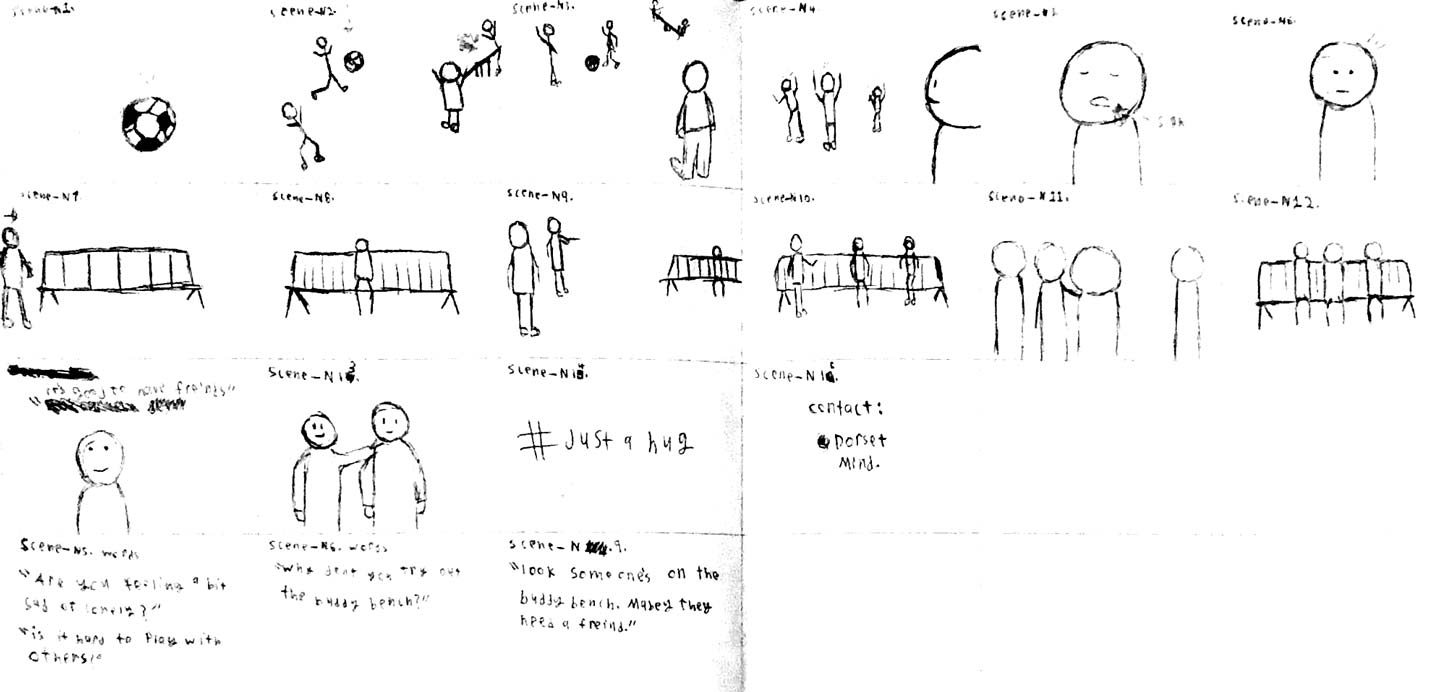
After receiving feedback, we needed to quickly revise our story while preserving its core elements. Using the advice provided, we created a simplified storyboard to outline our new concept while incorporating additional ideas.
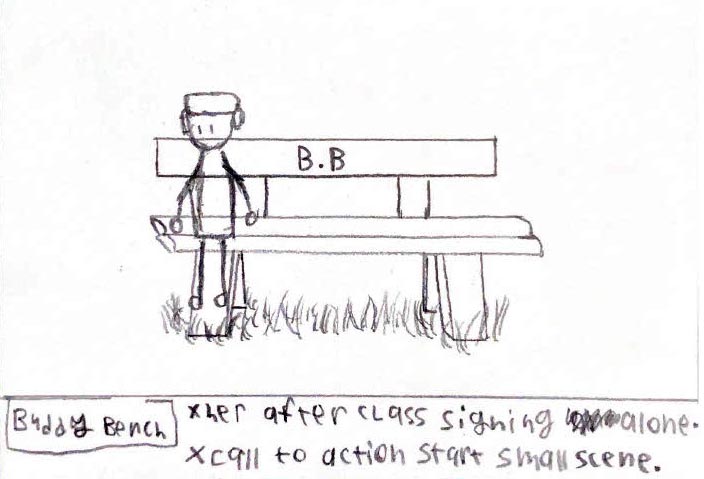
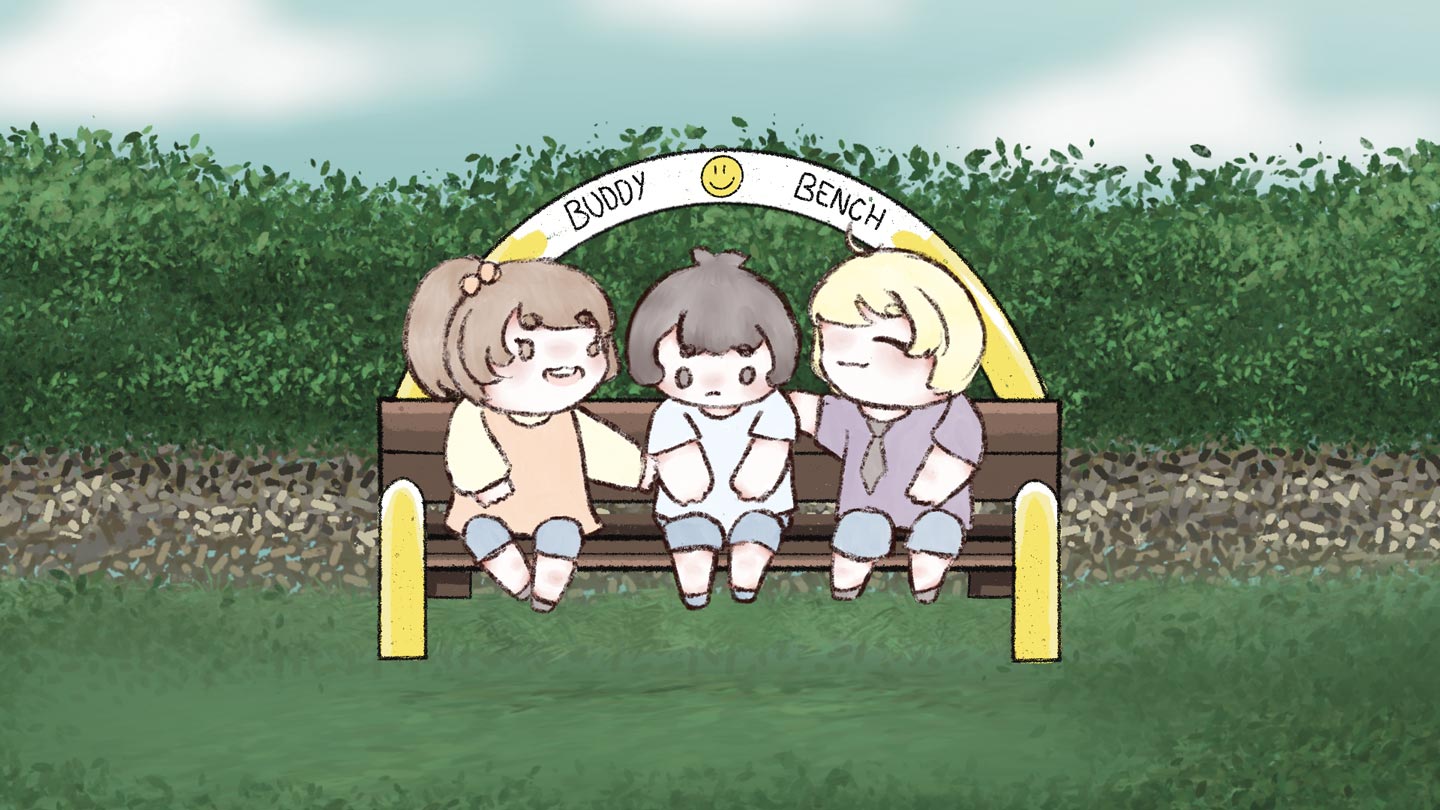
One of these new elements was the Buddy Bench, a designated area in some schools designed to encourage friendly interactions and reduce stress among students.
Building on this, we developed more detailed sketches of the scenes and characters. We then created an animatic with sound to better visualize the intended flow of our final animation.
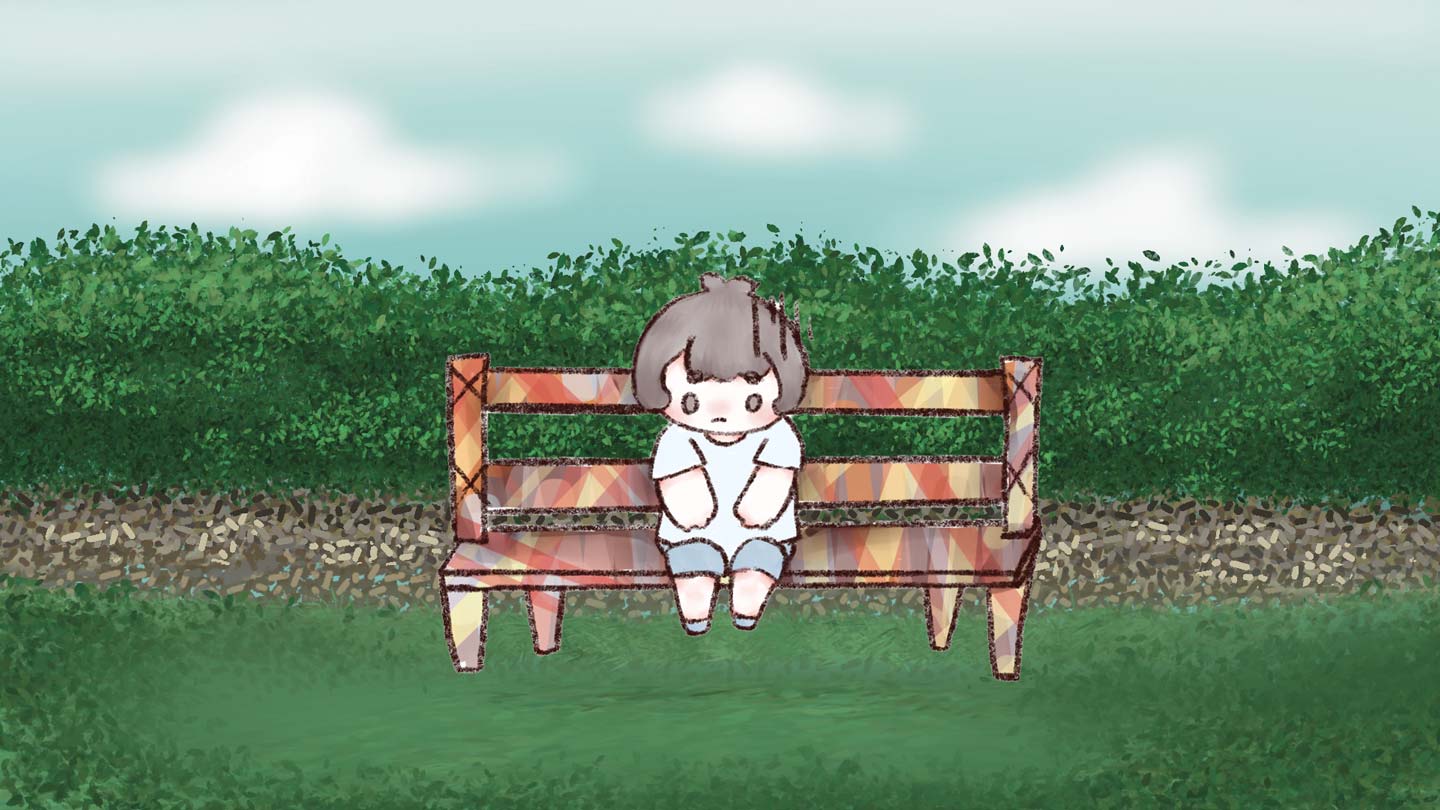
The revised story follows a group of children playing together while the main character (MC) watches from a distance, feeling isolated. A narrative voice suggests visiting the Buddy Bench, which the MC decides to do. Noticing this, the other children approach, offering comfort and inviting the MC to join their game, reinforcing the theme of inclusion and support.
Above: Basic animatic with Poster Image
In this video the new storyboard to replace the fairy story is shown in this animatic.
Research

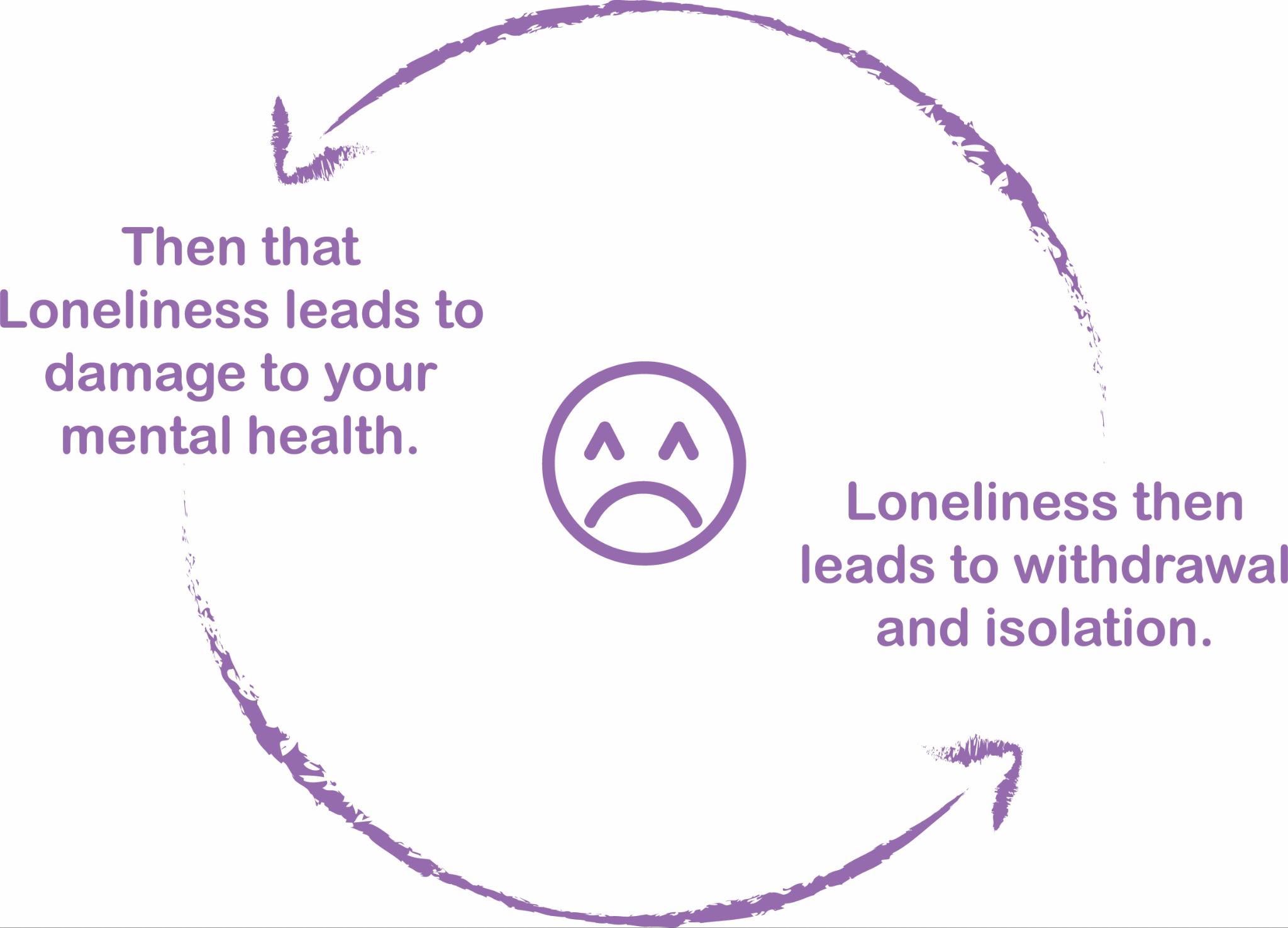
Research from MentalHealth.org on childhood loneliness found that nearly 45% of the children surveyed reported feeling lonely "often" or "some of the time."
The purpose of our animation is to encourage younger audiences to support and engage with those struggling with loneliness, without explicitly stating the message.
Oxytocin plays a significant role in mental well-being, particularly for individuals experiencing isolation. This hormone helps lower blood pressure and reduce levels of the stress hormone norepinephrine, often leading to a positive emotional impact.
In our animation, we incorporate voluntary social interactions to promote oxytocin release, reinforcing the importance of connection and support.
Oxytocin plays a significant role in mental well-being, particularly for individuals experiencing isolation. This hormone helps lower blood pressure and reduce levels of the stress hormone norepinephrine, often leading to a positive emotional impact.
In our animation, we incorporate voluntary social interactions to promote oxytocin release, reinforcing the importance of connection and support.
To ensure the animation was completed within a reasonable timeframe and to accommodate the travel difficulties of a group member, I decided to split the group. By working separately and utilizing a shared OneDrive, we were able to plan more efficiently and submit work in a way that allowed others to contribute within an effective time frame.
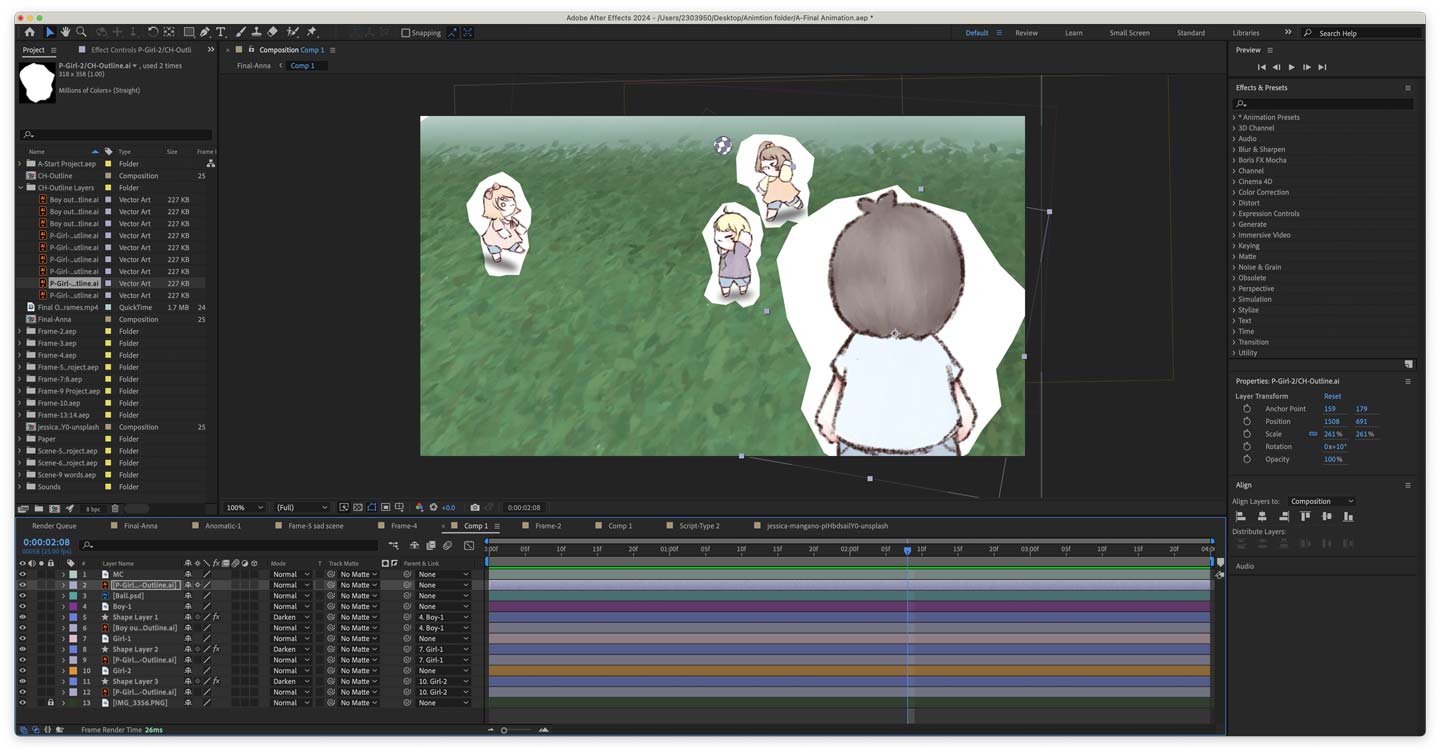
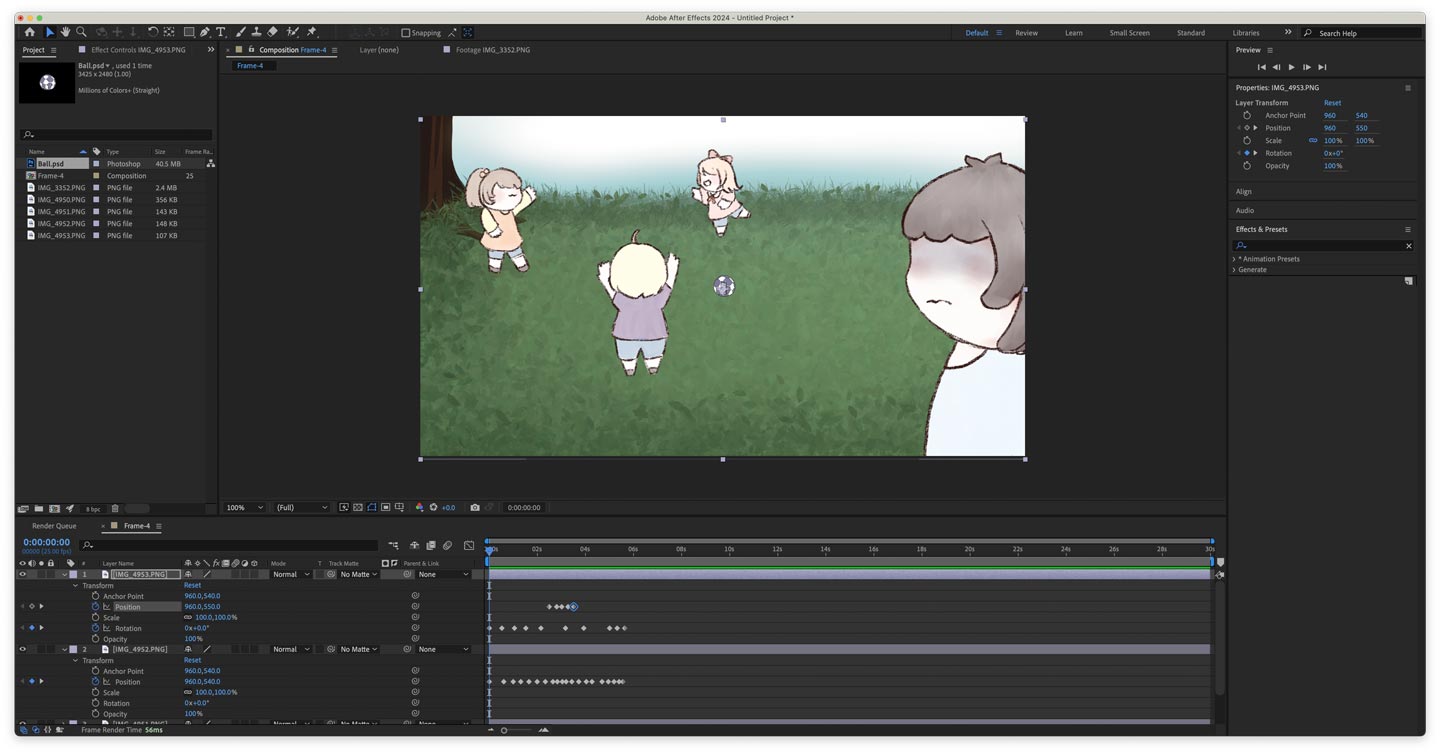
Final Reflection:
At the start of our project, I found the task somewhat daunting due to the limited four-week timeframe for completing the animation. However, this fast-paced venture into motion graphics allowed me to revisit and refine some of my underdeveloped skills in Adobe After Effects and Premiere Pro.
Although I had prior experience with these software programs, I wouldn’t consider myself highly proficient, as the learning curve for motion graphics can be quite steep.
This project was also particularly challenging from a teamwork perspective, as it required strong collaboration while developing a viable animation around a meaningful topic within a short timeframe.
That said, given the constraints and workload, I am proud of both myself and my team for what we accomplished while successfully meeting the assessment criteria.
Moving forward, I want to focus on improving my ability to develop narratives, as this was a particular challenge for me during this project. Additionally, I plan to explore how I can further incorporate motion design into my work to enhance future projects.
View Bibliography
---Back to Work page---